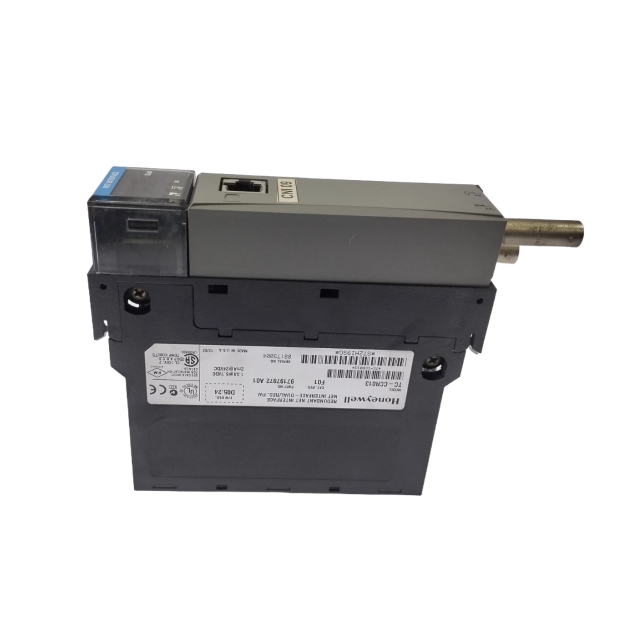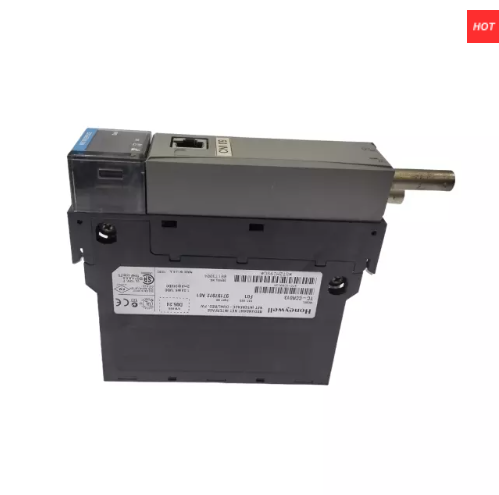
You see the most important trends shaping industrial automation for 2025. Ethernet, IIoT, and edge computing drive rapid transformation. These trends empower you to achieve real-time decision-making and scalable solutions. AI and cloud-edge synergy push Modular Control Systems to new heights, enabling predictive maintenance and efficient energy management. You now find granular monitoring and sustainability at the heart of operations. Solutions like Honeywell’s TC-CCR013 Control Module demonstrate how these trends deliver reliable performance and seamless integration across your systems.
The Rise of Ethernet in Modular Control Systems
What is Ethernet Technology?
You encounter Ethernet technology as the backbone of modern industrial automation. Ethernet enables fast, reliable communication between devices and control platforms. It uses standardized protocols to connect controllers, sensors, and actuators, making it a preferred choice for modular control systems. The industrial Ethernet market now holds about 30–35% of the broader industrial communication market, driven by the need for high-speed networking solutions.
Key Features of Ethernet in Modular Control Systems
Ethernet stands out due to several technical specifications. Single Pair Ethernet reduces cable weight and simplifies assembly. Power over Data Line (PoDL) supplies up to 50 watts through data cables, boosting efficiency. M12 Power L-code connectors provide standardized power for PROFINET devices. Time-Sensitive Networking (TSN) prioritizes critical traffic, ensuring real-time communication. Gigabit Ethernet trends support higher bandwidth and lower latency, which are essential for advanced platforms.
| Feature | Benefit |
| High Data Transfer Rates | Real-time control and data collection for manufacturing platforms. |
| Integration Capabilities | Connects PLCs, DCS, SCADA, IoT, and other platforms for seamless automation. |
| Fault Tolerance | Maintains network functionality during failures, increasing reliability. |
| Universal Protocol | Simplifies collaboration across IT and OT platforms. |
Benefits of Ethernet Integration
You gain measurable advantages by integrating Ethernet into modular control systems. Installation time drops by up to 80% when you follow recommended standards. Compact layouts allow more devices within the same cabinet space, optimizing your platforms. Real-time data exchange improves operational efficiency and supports digital transformation. Ethernet/IP hardware is widely available and affordable, reducing reliance on proprietary equipment and lowering costs. These benefits make Ethernet a smart investment for scalable platforms.
Tip: Ethernet integration streamlines supply chains and creates new job opportunities in industrial automation platforms.
Case Studies of Ethernet Implementation
You see real-world success stories with Ethernet in modular control systems. E Tech Group upgraded a pharmaceutical packaging system in India, resolving PLC stability issues and meeting regulatory compliance using Ethernet protocols. VC999 Packaging Systems improved equipment effectiveness and reduced installation efforts by integrating Gigabit Ethernet into their i-Series Thermoformer. These cases highlight how Ethernet delivers scalability, reliability, and adaptability for demanding platforms.

Industrial Internet of Things (IIoT) and Its Impact
What is IIoT?
You encounter the industrial internet of things as a specialized branch of IoT. Unlike general IoT, which focuses on consumer applications and improving daily life, IIoT targets industrial environments. You use IIoT to boost operational efficiency, productivity, and safety in sectors such as manufacturing, logistics, and smart cities. The critical nature of these systems sets IIoT apart from consumer-focused solutions.
How IIoT Enhances Modular Control Systems
You gain real-time data on equipment performance and process parameters with industrial iot integration. This visibility allows you to control and monitor manufacturing processes more effectively. You can automate tasks and collaborate across departments, making your operations more agile. Modular PLCs support a wide range of modules, so you can customize or expand your systems as needed. These features simplify maintenance and upgrades, which is why modular PLCs are common in new industrial automation installations. PLCs also act as gateways, enabling seamless data exchange between machines and cloud platforms. This supports predictive maintenance and reduces downtime, driving efficiency in smart cities and industrial settings.
Key Features of IIoT in Modular Control Systems
You rely on several core components to make industrial iot work in modular control systems:
Sensors & Actuators: Gather data and perform actions.
Connectivity: Ensure robust communication networks.
Edge Computing: Process data near its source for fast analysis.
Cloud Computing: Store and analyze large volumes of data.
Data Analytics & Machine Learning: Extract insights for decision-making.
Cyber Security: Protect your networks from threats.
Human-Machine Interface (HMI): Interact easily with your systems.
Gateways: Connect legacy equipment to modern networks.
Note: Integration of AI and machine learning strengthens predictive maintenance and asset management, making your systems smarter and more reliable.
| Improvement | Description |
| Continuous Monitoring | Reduces unplanned downtime and increases reliability. |
| Real-time Data Analysis | Identifies problems before they disrupt operations. |
| Automated Alerts | Notifies you of irregularities for proactive maintenance. |
| Smart Asset Monitoring | Cuts down on-site visits, saving time and costs. |
| Predictive Maintenance Tools | Helps you use resources efficiently and minimize downtime. |
Challenges and Solutions in IIoT Adoption
You face several challenges when adopting industrial iot in modular control systems:
Interoperability issues
Integrating legacy equipment
Security concerns
Complexity and cost
Resistance to change
Moving beyond paper-based processes
Overcoming departmental silos
Updating old infrastructure
Integrating legacy equipment can be especially difficult, as older machines may use analog or mechanical controls. You can overcome these barriers by prioritizing security, advocating for open standards, and retrofitting existing machinery with IoT capabilities. Adopting open communication standards, using virtualized controllers, and leveraging open process automation frameworks also help. Gradual modular upgrades and investing in digital accessories make the transition smoother. These solutions reduce costs and downtime, maximizing the benefits of IIoT in smart cities and industrial environments.
The Importance of Edge Control in 2025
What is Edge Control?
You see edge control as a transformative approach in modular control systems. Edge computing places intelligence and processing power close to your connected devices, enabling ultra-low latency responses. Edge control systems secure your technology investments and support automation and iot edge projects. Unlike older controllers, edge devices offer advanced security tools and integrate real-time computing with standards-based connectivity. Intel Edge Controls for Industrial platforms demonstrate how edge computing delivers reliable performance and flexibility for industrial environments.
Edge control technology drives automation and iot edge projects.
Edge devices enhance system security and support real-time computing.
Software platforms like Intel Edge Controls for Industrial integrate connectivity and computing at the edge.
Benefits of Edge Control in Modular Systems
You benefit from edge computing by gaining optimized hardware and software options. These modular edge platforms deliver dependable automation, communication, and computing at the edge. You experience ultra-low latency data processing, which enables real-time decision-making and immediate responses. Edge computing supports advanced tasks like ai at the edge and machine learning, making your operations smarter and more adaptive. You can evolve both deterministic and general-purpose aspects of edge control independently, tailoring solutions to your needs.
| Benefit Description | Reasoning |
| Optimized hardware and software | Delivers dependable automation and computing at the edge |
| Enhanced data and analytical features | Improves effectiveness by processing data close to the source |
| Low-latency data collection and analysis | Enables real-time insights and responses |
| Support for advanced tasks like machine learning | Essential for ai at the edge and dynamic applications |
| Evolution of deterministic and general-purpose edge | Allows customization for specific operational requirements |
Key Features of Edge Control
You rely on several key features to maximize the value of edge computing in modular systems. The MicroEdge Series, for example, uses an expansion port to control up to four modules, supporting modularity and scalability. You can add connectivity options, expand I/O, and adapt to diverse environments. Edge computing enables edge-to-cloud data pipelines, smart sensors, and iot edge integration, making your systems flexible and future-ready. Edge-first strategies help you scale operations efficiently and respond to changing demands.
Real-World Applications of Edge Control
You apply edge computing in smart factories to achieve real-time decision-making and ultra-low latency responses. Edge control enables cyber-physical systems with autonomous control and supports digital twins by synchronizing physical and virtual systems. You enhance human-machine collaboration through adaptive machines and smart sensors. 5g-powered mobile edge computing expands possibilities for connected devices and iot edge deployments. You use ai at the edge to analyze data instantly, optimize production, and drive innovation. Edge computing transforms industrial automation by delivering real-time responses and supporting continuous innovation.

Future Outlook for Modular Control Systems
Emerging Technologies to Watch
You will see several new technologies shaping modular control systems. Digital platforms transform your operations into intelligent, data-driven ecosystems. AI integration automates processes and optimizes layouts, giving you real-time cost forecasting. Sustainability becomes a core focus, with circular construction methods enhancing lifecycle management and reducing waste. Industrial efficiency improves through controlled offsite environments. The following table highlights these technologies and their impact:
| Emerging Technology | Description |
| Digital Platforms | Transforming modular construction into an intelligent, data-driven ecosystem |
| AI Integration | Automating processes and optimizing layouts |
| Sustainability | Redefining sustainable architecture and material use |
| Circular Construction | Enhancing lifecycle management and waste reduction |
| Industrial Efficiency | Improving operational performance |
Predictions for the Next Five Years
You can expect modular control systems to evolve rapidly. AI and machine learning will drive predictive analytics and adaptive process control. Businesses will favor modular and scalable systems, allowing you to start small and expand as your needs grow. Real-time optimization and renewable energy integration will become standard, making Distributed Control Systems essential for operational efficiency. You will see iot devices play a larger role in automation, supporting smarter and more sustainable industrial environments.
Preparing for the Future of Modular Control Systems
You should prepare for future advancements by focusing on flexibility and adaptability. Invest in systems that can evolve with technology. Conduct cost-benefit analyses to understand the financial impact of new solutions. Maintain robust protocols to ensure reliability and longevity. Integrate advanced technologies such as AI and edge computing to enhance your modular control systems. Consider these strategies:
Flexible and upgradable product architectures help you adapt to market changes.
Modularity allows easy integration and replacement of components.
Design systems that are expandable and adaptable to meet evolving requirements.
Prioritize quick integration or replacement of modules for new functionalities.
Tip: Embrace modular control systems with scalable architectures to keep pace with industry innovation and maximize your investment.
You see Ethernet, IIoT, and edge control shaping the future of modular control systems. These technologies help you achieve real-time insights, boost efficiency, and support flexible automation. You prepare for new opportunities by embracing the internet of things and investing in scalable solutions. Staying ahead means adopting smart platforms and adapting to rapid changes in industrial automation.
Tip: Focus on modular upgrades and digital transformation to maximize your system’s potential.
FAQ
What is the role of iot in modular control systems?
You use iot to connect devices and systems, enabling real-time data exchange. This technology helps you monitor equipment, automate processes, and improve efficiency. iot supports predictive maintenance and remote management, making your operations smarter and more reliable.
How does iot improve industrial automation?
You benefit from iot by gaining instant access to machine data. This allows you to optimize production, reduce downtime, and enhance safety. iot enables you to automate repetitive tasks and integrate advanced analytics, driving better decision-making in your facility.
What challenges do you face when implementing iot in modular control systems?
You encounter issues such as integrating legacy equipment, ensuring cybersecurity, and managing data complexity. You address these challenges by using open standards, upgrading infrastructure, and investing in secure iot platforms. Careful planning helps you achieve successful iot adoption.
Can iot work with edge control and Ethernet technologies?
You combine iot with edge control and Ethernet to create robust, scalable systems. iot devices collect data, edge control processes information locally, and Ethernet provides fast, reliable communication. This synergy boosts performance and supports flexible automation in your operations.
What are the future trends for iot in modular control systems?
You will see iot evolve with AI, machine learning, and cloud-edge integration. These advancements enable smarter asset management, predictive analytics, and sustainable operations. You prepare for the future by investing in scalable iot solutions and staying updated on emerging technologies.
Tip: You maximize your system’s potential by integrating iot with modular upgrades and digital transformation strategies.